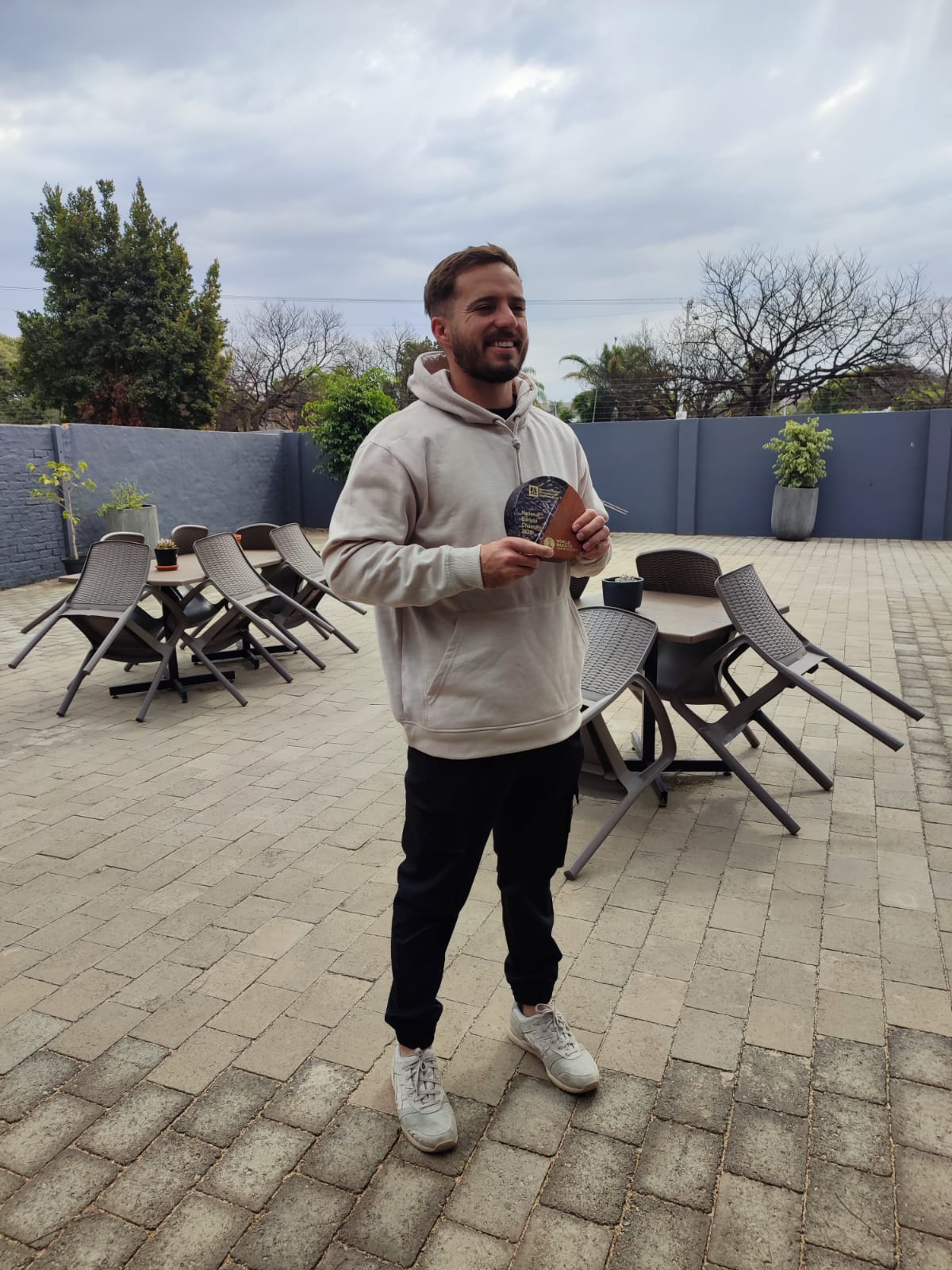
What a trip to the Netherlands taught us about competition, community and the future of specialty coffee in South Africa.
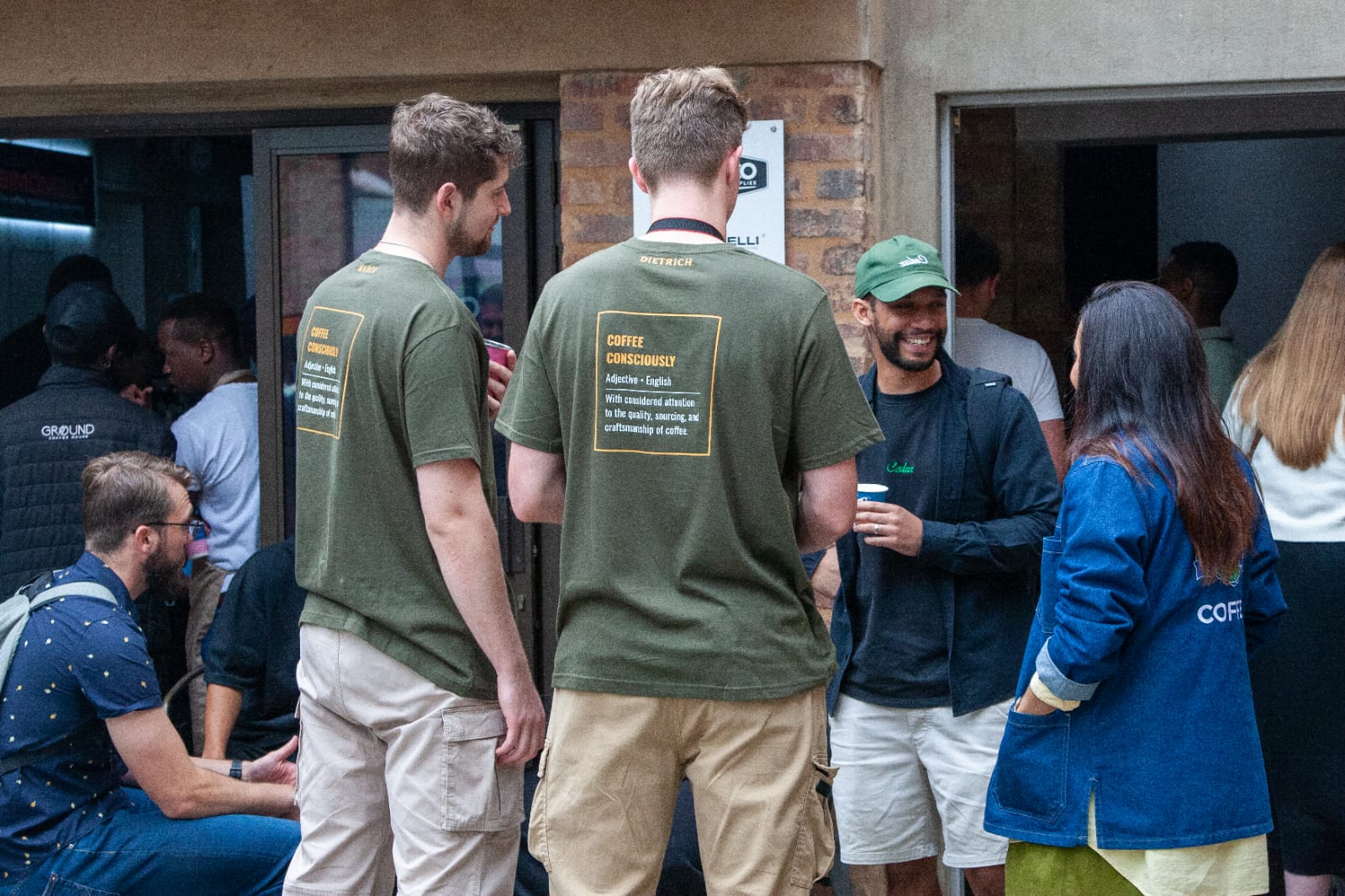
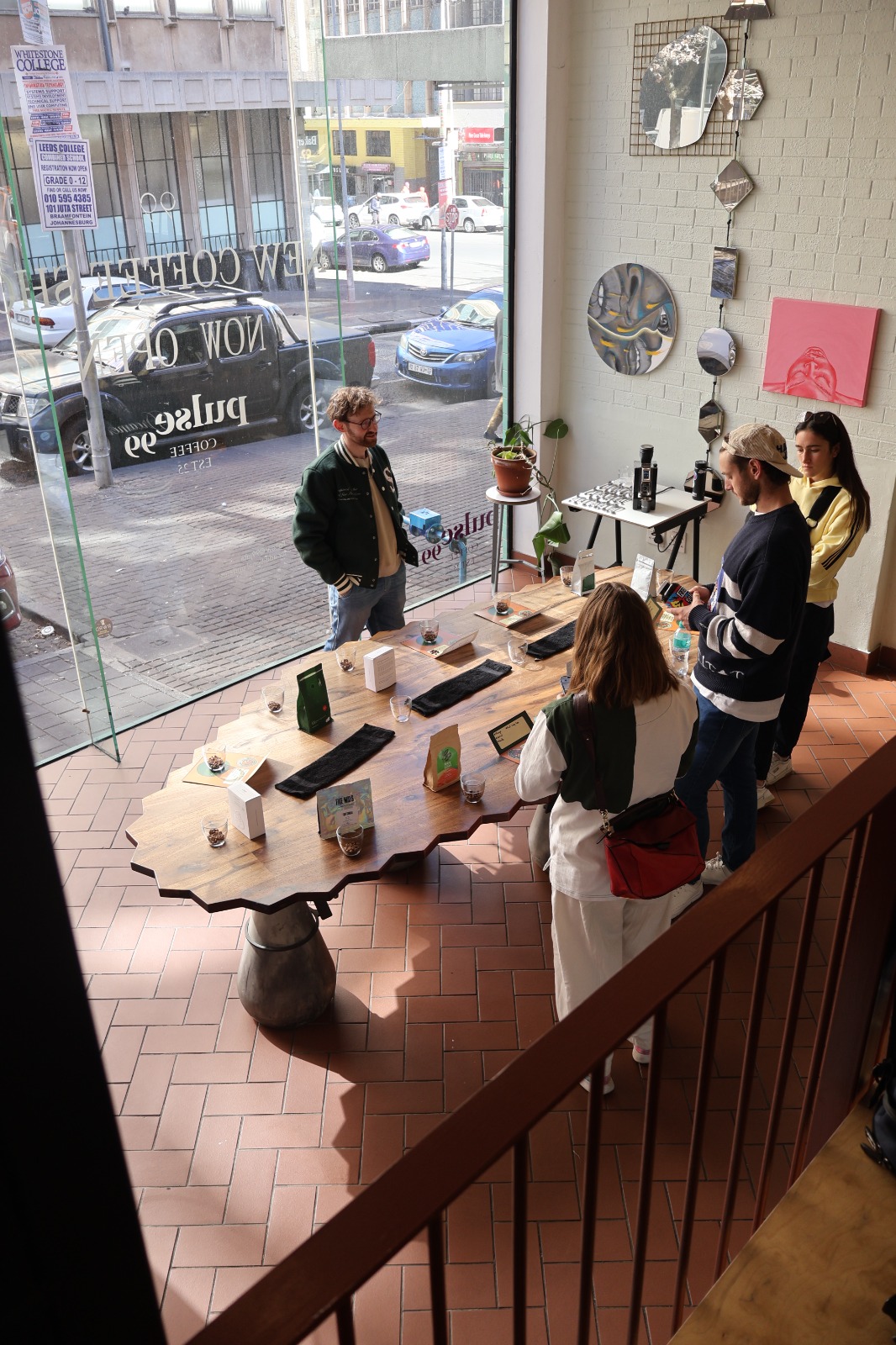
Every Wednesday, we close the laptops and go and visit a café we've never been to. We order a coffee, find the owner or whoever's behind the bar, and ask them how they ended up there. Why coffee? Why this shop? What keeps them going?
Those conversations have become one of the best parts of our week. We've met incredible teams and heard about the struggles and the joys of coffee through someone else's eyes. But the more cafés we visit, the clearer something becomes: South Africa's specialty coffee community isn't nearly as connected as it could be.
To explain why we feel so strongly about that, we need to go back to how we started.
The Closed Doors We Started With
When we first started Ramkat, we were curious about everything. How do you source green coffee? Which roaster should we buy? How do you find your first clients? So we asked. And a lot of the time, the door was closed before we could finish the question.
Some owners simply didn't want to talk to us. To them, we weren't two students excited about coffee. We were future competition.
It took months before we met the right people, the ones willing to open up and let us in. And because that was our experience, we assumed that's just how community worked. You find a few people you trust, you form a pact, and everyone outside that circle is the competition.
That belief lasted until we landed in the Netherlands.
A Completely Different Idea of Competition
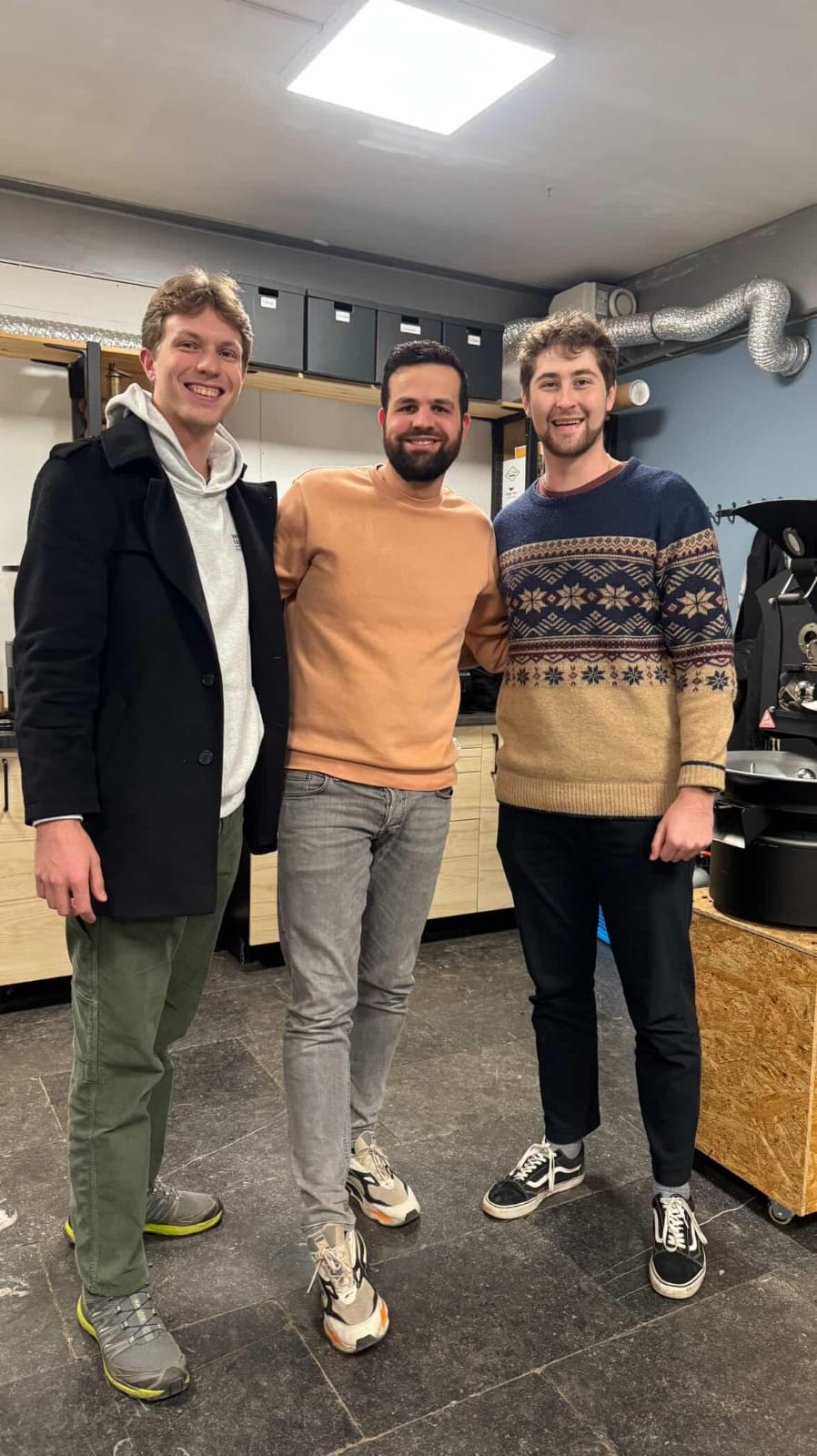
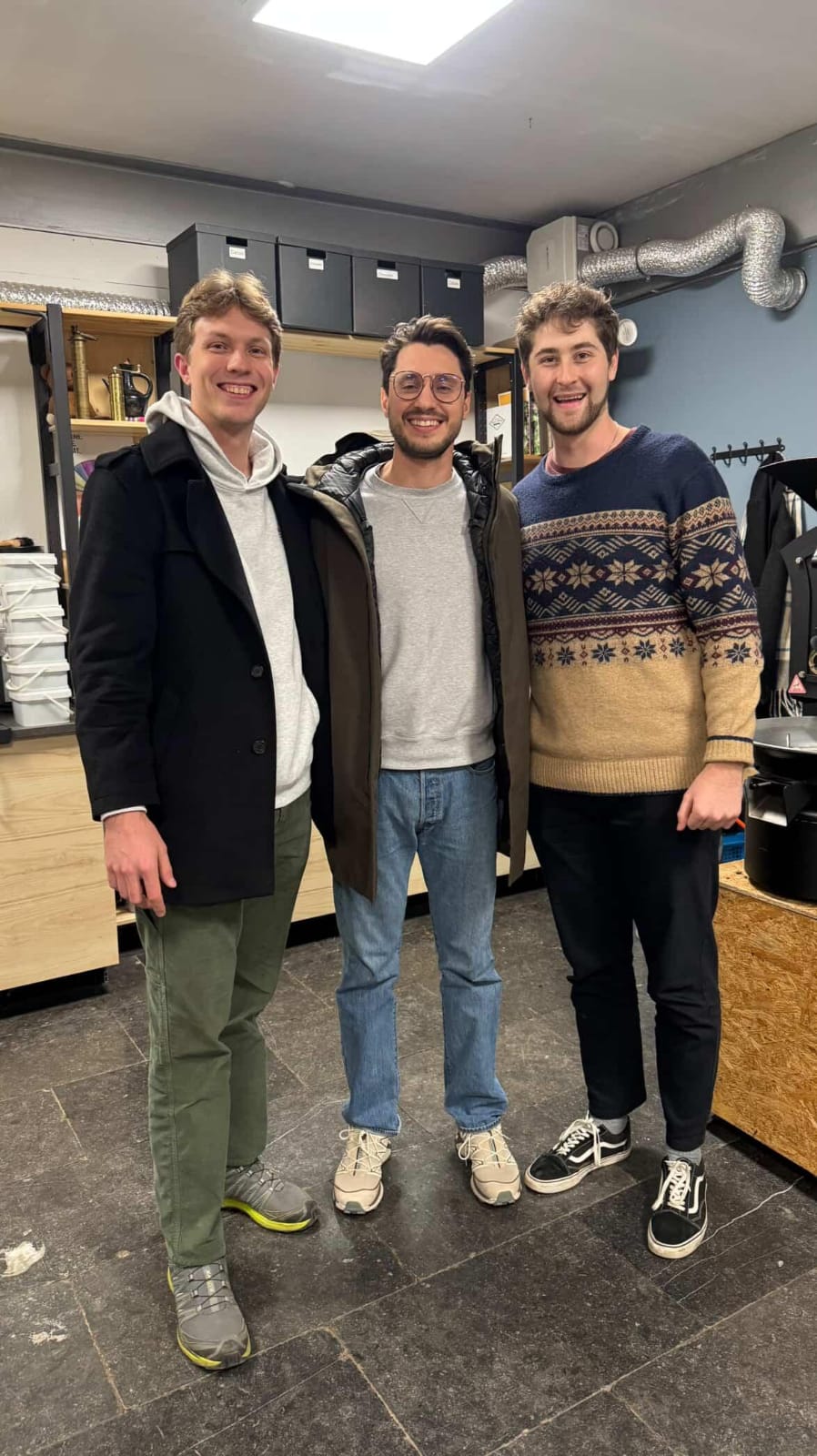
We went to the Netherlands for training, expecting to learn about coffee. We did, but we learned even more about community.
Before teaching us anything, our trainer at the time, Paul Tinhout, asked us one question: Why are you roasting?
At first it felt like a strange thing to ask two people who had travelled that far to learn how to roast. Then we walked through the cities and understood. It felt like every second shop roasted its own beans. In a single major city, there were at least 15 to 20 roasteries.
So we asked him what seemed like the obvious question: "With that many roasteries so close together, aren't they all fighting over the same customers?"
His answer surprised us. They don't see each other as competition. Each one has its own clients, its own style and its own following, and they actively support one another.
To prove the point, he told us about a student who had emailed 30 roasteries in his area to ask whether he should open his own. He expected silence. A few never replied, but most did, and they told him to go for it. Some even offered to help him get started.
We sat with that story for a long time. If we had sent those same 30 emails when we started, we doubt we would have received many replies, let alone offers of help.
Why It Matters So Much Here
We came home with a new mindset and one goal: we want to help change the way our coffee community works.
As South Africans, we already know how to stand together. We do it every time the Springboks or Bafana Bafana take the field. But the moment money or clients are involved, that unity disappears. We turn into wolves, and it becomes every man for himself.
We understand why. Margins are tight, the economy is tough, and nobody can afford to lose a client. But that fear is also what holds the whole industry back.
Think about our tourists. Every year, people arrive from countries with world-class coffee cultures, and far too often they end up drinking burnt commercial coffee. That's a missed opportunity for every café and roastery in the country, and for South Africa itself.
No single business can close that gap alone. We can only close it together. The real question is how.
What Working Together Actually Looks Like
"Community" can easily become another nice word with no action behind it. So here's what we believe it looks like in practice.
For roasters
- Buy green coffee together. Small roasteries often can't afford to import top-quality lots on their own. By pooling orders, we can bring in better coffee at better prices, and the whole country drinks better because of it.
- Share what you've learned. Roast profiles, equipment fixes, supplier experiences. Talking about how you roast doesn't give away your business. Your clients choose you for much more than a profile.
- Refer clients who aren't the right fit. If a café wants a style or volume you don't offer, send them to a roaster who does. Good referrals tend to come back around.
- Answer the email. When someone starting out reaches out with questions, reply. Be the roastery that student in the Netherlands heard from.
For cafés
- Feature guest roasters. Bringing in a coffee from another local roastery for a month gives your customers something new and introduces them to more of what South Africa has to offer.
- Host events together. Cuppings, latte art throwdowns and brewing workshops are more fun, and draw bigger crowds, when two or three businesses run them together.
- Visit each other. Walk into another café, introduce yourself and ask how they're doing. One conversation can turn competitors into allies.
For the industry as a whole
- Back our baristas on the world stage. When a South African barista competes, they represent all of us. Sponsor them, train with them, and show up to cheer them on.
- Raise the standard together. If every café and roastery commits to serving better coffee, customers' expectations rise across the board. That's good for everyone.
For you, the coffee drinker
Here's the part most people don't realise: you play one of the biggest roles of all.
Drink normal coffee. And yes, specialty coffee is normal coffee. The bar in South Africa is low partly because, as consumers, we've accepted it. When you ask where your coffee comes from, buy beans from a local roaster or try the new café down the road, you send a signal through the whole chain. Cafés order better beans, roasters roast better coffee, and importers bring in better lots.
Where we're starting
We don't want to write about community without doing something about it. So here's our part:
- We'll keep visiting a new café every Wednesday and sharing the people and stories we find along the way.
- Our door is open. If you're thinking about starting a café or roastery and have questions, send us a message. We'll answer.
- We want to collaborate. If you're a café or roaster who wants to host an event, swap coffees or simply talk shop, we're keen.
It's Not All Closed Doors
We don't want to give the wrong impression. Since we started, we've met some incredible people and built genuine friendships in this industry. Those relationships just took time. They took effort, and they took us letting our guard down so others could see what we were really about.
That's exactly why we believe this can change. If those friendships were possible one conversation at a time, imagine what's possible if the whole industry chooses to work together.
We're a nation that knows how to stand together and build together. In coffee, we just need to aim that energy in the same direction.
Over to You
Every Wednesday, we're out visiting a new café, and we'd love your help choosing where to go next. Which café or roastery should we visit, and what makes it special to you?
And if you're a café owner or roaster who wants a stronger coffee community too, let's start working together. Send us a message on Instagram. Our door is open.